2026 Top Bike Rack Bags for Global Buyers?

Choosing the right Bike Rack Bag in 2026 is not simply a matter of volume or appearance. Global buyers face different roads, climates, bicycles, and delivery expectations. A commuter in Singapore may need rain protection and reflective panels. A touring cyclist in Canada may value insulation, repairability, and stable mounting on rough roads.

Grant Petersen, founder of Rivendell Bicycle Works, is often associated with the practical view: “The best bike is the one you ride.” That idea also applies to luggage. A bag can look impressive online, yet sway badly when loaded with tools, clothing, or groceries. Our guide examines attachment systems, fabric strength, waterproof construction, zipper quality, weight limits, and compatibility with common rear racks. Small details matter. A loose strap can touch the wheel. A weak buckle can fail during a cold morning ride.

The 2026 market also brings more recycled fabrics, modular compartments, and improved rain covers. However, sustainability claims need careful checking. “Eco-friendly” is not enough without material details, repair support, and realistic product testing. No ranking is perfect. Some bags perform brilliantly on dry city streets but disappoint during long, wet journeys. Others feel heavy before they are fully packed.

This overview is designed for buyers, retailers, and cycling brands comparing practical options across regions. We consider daily commuting, weekend touring, cargo carrying, and international availability. The strongest Bike Rack Bag may not be the largest or most expensive. It should remain secure, useful, and comfortable after many ordinary rides. That is where marketing promises meet real experience.
2026 Top Bike Rack Bags for Global Buyers?

What Bike Rack Bags Are and How They Support Global Riders

What Bike Rack Bags Are and How They Support Global Riders

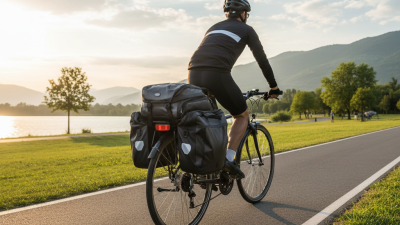
Bike rack bags attach to a bicycle’s rear carrier and hold clothing, tools, food, or documents. Unlike backpacks, they keep weight off the rider’s shoulders. That small change can reduce pressure during long commutes and touring days. The 2023 Outdoor Participation Trends Report recorded more than 50 million U.S. bicycling participants in 2022. More riders also means more varied carrying needs. A compact 10-liter bag may suit city errands, while a 25-liter model supports overnight travel. Capacity alone can mislead.

Good rack bags usually combine reinforced attachment points, water-resistant fabric, reflective panels, and stable internal compartments. The European Cyclists’ Federation reports that cycling can replace short motor-vehicle trips and reduce transport emissions. For global riders, this makes reliable storage useful beyond recreation. A commuter may carry a laptop in Seoul, groceries in Copenhagen, or repair tools on a rural route. Roll-top closures protect better than ordinary zippers during sudden rain. Still, “waterproof” claims need careful checking. Seams and mounting areas can remain vulnerable.

Tips: Measure the rack before buying. Check its maximum load rating. Keep heavy tools low and close to the seat. Test the bag with real items before a long trip. Reflective details help in dim streets, but they do not replace lights. I prefer simple straps because complicated fittings can fail. That is not universal, though. Some riders need quick-release systems, even when they add weight. Examine stitching, buckle tension, and balance after a short ride.

2026 Top Bike Rack Bags for Global Buyers

Bike rack bags attach to a rear rack and provide practical storage for commuting, touring, shopping, and long-distance cycling. The chart compares representative capacity benchmarks commonly found in non-branded bike rack bag specifications.

Key Features to Compare in Top Bike Rack Bags

Top Bike Rack Bags for Global Buyers?

Choosing a bike rack bag starts with capacity, not appearance. A practical model should hold daily tools, a rain shell, and lunch without becoming unstable. For commuting, 8 to 15 liters often feels balanced. Larger bags suit touring, but they can sway on narrow racks. Measure your rack platform before ordering. Small differences matter.

Compare the attachment system carefully. Strong hook-and-loop straps are simple and easy to replace. Quick-release mounts can save time, yet poor alignment may cause movement. I look for reinforced contact points and stitching that remains firm after repeated loading. A bag should stay quiet over rough pavement. That detail is often overlooked. Check the stated load limit, too, and leave some spare capacity.

Weather resistance needs practical testing. A coated fabric may protect against light rain, but seams and zippers can still leak. A roll-top closure usually offers better protection than a wide opening. Reflective panels improve visibility during dark commutes, although they cannot replace proper lights. Internal dividers help organize pumps, cables, and food. They also reduce useful space. I once chose a highly compartmentalized bag and regretted losing flexibility. Inspect repair options, handle strength, and mounting hardware before purchase. Regional rack standards may differ, so verify measurements and replacement-part access with the seller.

Best Bike Rack Bag Types for Different Riding Needs

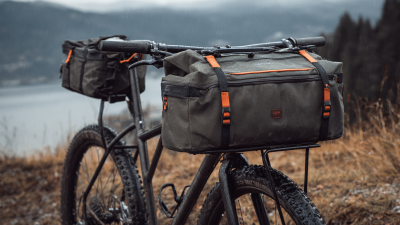
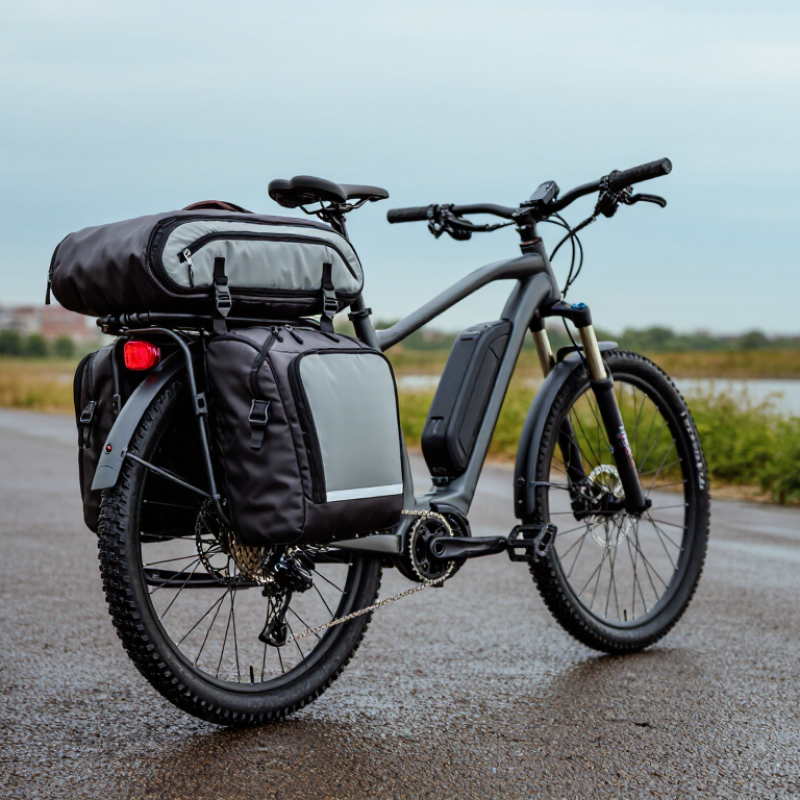
Choosing the right bike rack bag depends on how you ride, not only how much you carry. Trunk bags suit commuters carrying lunch, tools, and a light jacket. They sit above the rear rack and usually offer quick access. Pannier-style bags work better for touring, grocery trips, and heavier loads. Their lower position can improve balance. For rough roads, choose reinforced panels, secure hooks, and a rain cover. A bag that moves while riding becomes irritating quickly.

Tips: Check your rack width before buying. Measure twice. Look for reflective panels, sealed zippers, and a firm base. Test the mounting system with one hand. If removal feels difficult, daily use may become frustrating. Distribute heavy items close to the rack and keep fragile items away from outer pockets. Weather protection varies, even when a product claims water resistance.

Riders in wet coastal areas may need welded seams and a full cover. Dry-region commuters may prefer ventilation and lighter fabric. Long-distance cyclists often need expandable storage, while fitness riders may want a compact bag that avoids heel contact. I once chose a spacious bag that blocked my rear light. It carried well, but safety suffered. That mistake changed my buying checklist. Check light visibility, wheel clearance, and strap placement before every ride.

Materials, Capacity, Mounting Systems, and Weather Protection

2026 Top Bike Rack Bags for Global Buyers?

Material choice affects durability, weight, and daily comfort. Waxed canvas feels sturdy, but it can absorb water around seams. Coated nylon is lighter and usually dries faster. Check the fabric thickness, stitching, zipper quality, and base reinforcement before buying. Small details matter.

Capacity should match the trip, not the advertised maximum. A compact 6-liter bag can hold tools, snacks, and a light jacket. Larger 12- to 20-liter designs suit commuting or overnight rides. Leave some empty space. An overfilled bag may rub against the saddle or block rear lights.

Mounting systems need careful attention. Strap mounts fit many racks, but loose straps can touch the wheel. Hook-and-rail systems feel stable when the rack tubing matches their spacing. Measure the rack first. Quick-release parts are convenient, though cheaper plastic levers may become brittle in cold weather. I would inspect them often.

Weather protection is more than a water-resistant label. Look for folded seams, storm flaps, covered zippers, and a roll-top closure. Waterproof fabric does not guarantee waterproof construction. Test the bag with a gentle spray before carrying electronics. This step is easy to skip. That is a mistake. Global buyers should also check measurement units, replacement parts, and local climate conditions before ordering.

2026 Top Bike Rack Bags for Global Buyers? — Materials, Capacity, Mounting Systems, and Weather Protection
Bag Type Typical Capacity Typical Dimensions Common Materials Mounting System Typical Load Limit Weather Protection Best Use Global Buyer Considerations
Small Seat-Pack Rack Bag 6–12 L Approx. 32–45 × 16–22 × 12–18 cm 210D–420D nylon or polyester; polyurethane-coated fabric; reinforced base Two side straps or hook-and-loop straps attached to a rear rack; usually no permanent hardware 3–5 kg Water-resistant
Often supplied with a removable rain cover
Light commuting, day rides, and compact clothing or tools Low weight and broad compatibility; check clearance around the saddle and rear light
Single Pannier Rack Bag 12–20 L Approx. 34–48 × 24–32 × 12–18 cm 600D polyester or 500D PVC-coated fabric; plastic stiffener panels Two upper hooks plus a lower stabilizing strap or rail; compatible with standard rear racks 5–8 kg per bag Water-resistant
Some roll-top versions are waterproof when closed correctly
Daily commuting, groceries, and office equipment Confirm hook spacing, rack-tube diameter, and pannier heel clearance before purchase
Double Pannier Pair 24–40 L total Each side approximately 34–48 × 24–32 × 12–18 cm 600D–1000D polyester, nylon, or PVC-coated fabric; abrasion-resistant bottom Shared center panel over the rack with two or more hooks per side and lower retention straps 8–15 kg total Water-resistant
Rain covers or welded seams improve protection
Touring, commuting, shopping, and balanced cargo transport Balanced loading improves handling; verify that the rack is rated for the combined weight
Trunk Rack Bag 8–16 L, expandable to about 20–25 L Approx. 35–45 × 20–28 × 18–25 cm 600D polyester or nylon; foam padding; semi-rigid internal panels Four-point hook-and-loop straps, buckle straps, or quick-release rack clips 3–6 kg Water-resistant
Usually includes a rain cover; zipper areas may remain vulnerable
Short touring trips, commuting, and camera or clothing storage Easy to remove and often includes shoulder straps; keep the load centered on the rack
Waterproof Roll-Top Pannier 18–25 L per bag Approx. 38–50 × 25–35 × 14–20 cm 500D PVC-coated polyester, TPU-laminated nylon, or welded synthetic fabric Adjustable upper rail hooks with a lower anti-sway attachment 6–10 kg per bag Waterproof body
Roll-top closure and welded seams provide strong rain protection
Long-distance touring, wet climates, and unpaved travel Look for a stated IP rating or immersion guidance; closure must be rolled correctly
Commuter Rack Briefcase Bag 12–20 L Approx. 38–45 × 28–34 × 12–18 cm Coated polyester or nylon; padded laptop compartment; molded plastic back panel Concealed pannier hooks with a fold-away cover, plus a shoulder strap or carry handle 4–7 kg Rain-resistant
Waterproof liners or covers vary by construction
Business commuting, documents, laptops, and mixed bicycle-to-office travel Check laptop compartment size, hook coverage, and whether the mounting hardware is hidden when carried
Rack-Top Duffel Bag 20–35 L Approx. 45–60 × 22–32 × 20–30 cm 420D–840D nylon or polyester; TPU film or polyurethane coating; compression straps Four or more compression straps, cam buckles, or rack-specific attachment points 6–10 kg Water-resistant
Roll-top models offer better protection than standard zippered designs
Bikepacking, camping gear, and bulky lightweight equipment Measure rack length and width; keep the bag clear of the rear wheel and brake cables
Basket Insert Rack Bag 10–22 L Approx. 30–45 × 22–35 × 18–30 cm Polyester or nylon outer fabric; foam padding; drawcord or zip closure Placed inside a front or rear bicycle basket and secured with straps, clips, or a drawcord 3–7 kg Light rain protection
Separate cover recommended for prolonged rain
Casual shopping, city cycling, and quick-access daily cargo Compatibility depends on basket dimensions; avoid obstructing reflectors, lights, or steering
Heavy-Duty Cargo Pannier 25–40 L per bag Approx. 40–55 × 28–38 × 16–24 cm 1000D polyester, PVC-coated tarpaulin, reinforced webbing, and rigid base panels Heavy-duty metal or polymer hooks, adjustable rails, and lower stabilizer clips 8–15 kg per bag, subject to rack rating Water-resistant to waterproof
Welded construction offers the strongest protection
Commercial delivery, utility cycling, grocery transport, and expedition loads Use only with a strong rack; inspect stitching, hook strength, and weight distribution regularly
Specifications are representative market ranges for comparable bicycle rack bags. Actual capacity, dimensions, load limits, and weather protection depend on the specific construction, closure design, rack compatibility, and manufacturer testing.

How to Choose and Maintain a Bike Rack Bag in 2026

Choosing a bike rack bag in 2026 starts with fit, not appearance. Measure the rack platform and check the bag’s attachment spacing. A loose hook can swing into the wheel during a sharp turn. Grand View Research estimates the global bicycle accessories market will continue growing through 2030, increasing the need for clearer specifications and dependable quality. Look for a stated load limit, reinforced mounting points, reflective panels, and water-resistant zippers. Waterproof fabric alone is not enough.

For international buyers, climate matters. A humid coastal route needs sealed seams and quick-drying materials. Cold regions demand flexible straps that will not harden easily. A bag with 15 to 25 liters usually suits commuting or a short tour. Heavy tools should sit low and close to the rack. This improves balance. The European Committee for Standardization promotes practical luggage safety principles, including secure retention and visibility. Those details deserve more attention than color.

Maintenance is simple, but often neglected. After a wet ride, empty the bag and wipe grit from every hook. Use mild soap, never harsh solvents. Let the bag dry completely before storage. Inspect stitching monthly, especially near the rear wheel. Replace damaged straps early. A workshop mistake is overloading a bag because it still closes. The rack may tolerate the weight, while the seams quietly fail. Outdoor Industry Association participation reports show cycling remains a major outdoor activity, yet real-world durability still depends on care, not marketing claims. Specifications help, but routine inspection prevents more problems.