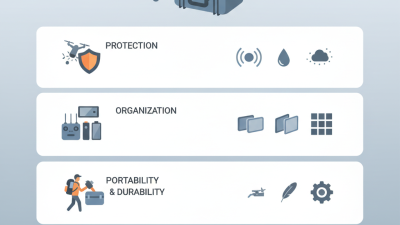
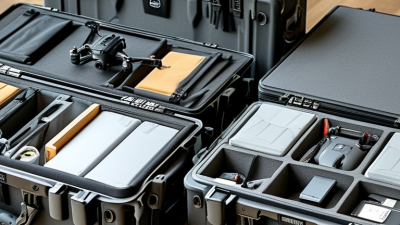
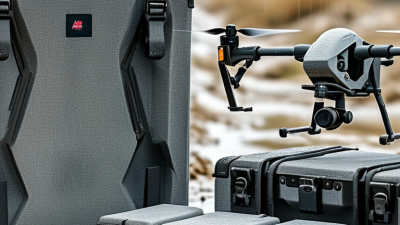
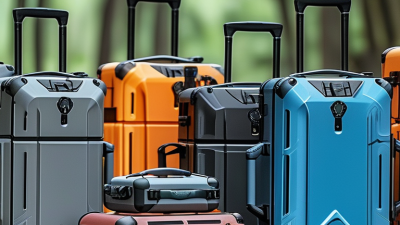
Choosing the 2026 top Drone Carrying Case is not merely a matter of appearance. Safe travel begins with practical protection, tested materials, and a design suited to your equipment. A reliable case should hold the drone, batteries, controller, charging cables, spare propellers, and small tools without forcing them together. Firm foam compartments can reduce movement when the case rests in a vehicle or passes through airport handling.
Real-world use reveals details that product photos often hide. A strong outer shell helps against light rain and accidental impacts, while a comfortable handle makes longer walks less tiring. Water-resistant zippers, reinforced corners, and balanced weight also matter. Too much padding can make a case bulky. Too little protection can leave delicate components exposed.
No case is perfect.
This guide examines leading options through practical travel and storage needs, not advertising claims alone. It considers interior fit, build quality, portability, weather resistance, and everyday organization. The evaluation also respects airline policies, manufacturer guidance, and local rules for transporting batteries and electronic equipment. Readers should still confirm current requirements before traveling, because policies and product designs can change.
A useful case should protect expensive equipment without becoming difficult to carry. It should open clearly on a workbench, remain stable in a car, and keep accessories easy to find. Some models may look impressive but disappoint after repeated use. That is worth admitting. Careful comparison helps pilots, creators, and beginners choose protection that matches their routines, budgets, and storage conditions.
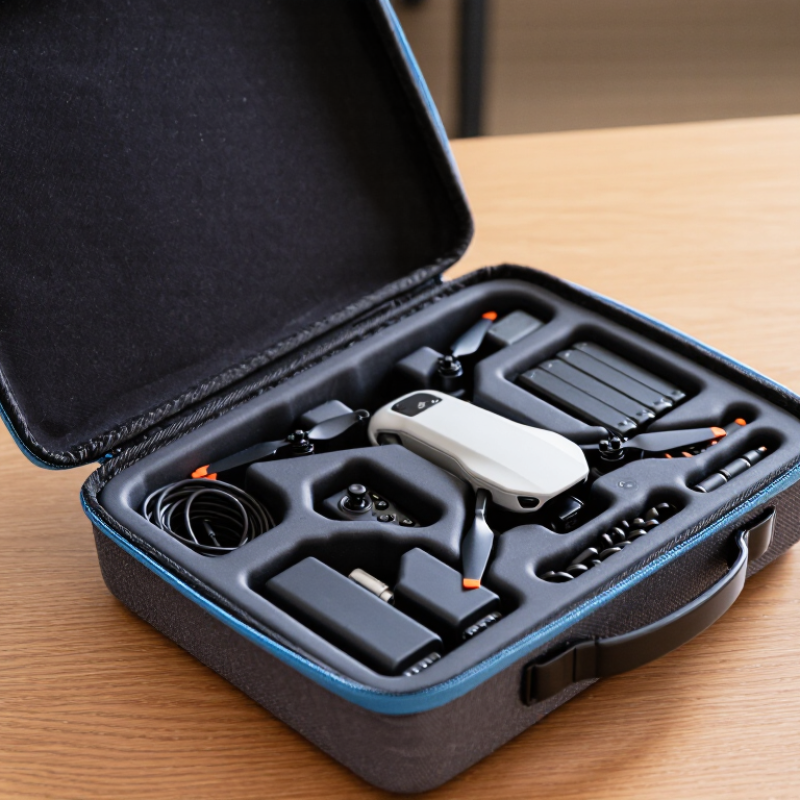
A drone carrying case is a protective container designed to hold the aircraft, controller, batteries, propellers, cables, and small tools.
Unlike a regular backpack, it uses shaped compartments to limit movement during travel. This structure helps prevent scratched lenses, bent propellers, and pressure on delicate gimbal parts.
A reliable case should resist light rain, dust, and everyday impact without becoming unnecessarily heavy.
Its value becomes clear outside the living room. On a field trip, loose batteries can slide under the drone, while a cable may press against the camera. Good padding separates these items and keeps each piece easy to inspect.
I prefer firm foam, reinforced stitching, strong zippers, and a handle that does not twist under weight. The interior should fit the equipment closely, but not squeeze it. That balance is easy to overlook.
Battery storage needs extra care. Follow the equipment maker’s charging and temperature guidance, and avoid placing warm batteries inside a sealed case. A breathable accessory pocket can help, though it is not a substitute for safe handling.
I once chose a case with impressive storage but poor weight distribution; the shoulder strap became uncomfortable after twenty minutes. That mistake changed my view of “best.”
Protection matters, but so do access, balance, and the way the case behaves during real travel. A slightly imperfect fit may also leave room for future accessories, yet too much empty space allows damaging movement.
A safe drone case should protect equipment during movement, storage, and unexpected bumps. After handling cases in cars, airports, and damp field locations, I focus on practical protection rather than appearance. Dense foam should hold the aircraft firmly without pressing against delicate arms or sensors. The lid needs enough depth to prevent contact with propellers and controls. A rigid outer shell also helps resist crushing under other luggage. Small details matter.
A travel-ready design begins with accurate measurements. The drone, controller, spare propellers, charging equipment, and cables should fit without force. Separate battery compartments can prevent loose contact with metal objects. Adjustable straps keep accessories from shifting when the case is carried upright. Water-resistant materials are useful during light rain, but they should not be mistaken for complete waterproofing. For air travel, users must check current carrier requirements and pack batteries according to official guidance.
Reliable cases also need comfortable handles, secure closures, and balanced weight. A case that protects well but strains the wrist may be ignored at the worst moment. I once chose extra padding and lost valuable storage space. That decision taught me to measure every accessory before buying. A little empty space can reduce pressure, but too much movement can cause impact damage. I still inspect zippers, hinges, and foam after each trip. No case replaces careful packing.
Choosing a case starts with your complete drone setup, not the aircraft alone. List the drone, controller, batteries, propellers, charger, filters, cables, and landing pad. The FAA’s 2024 Aerospace Forecast projects more than one million commercial small unmanned aircraft in the United States by 2028. More equipment means greater pressure on storage design. A case with adjustable foam protects better than a tight, universal layout. Check the foam thickness around arms and camera gimbals. Nothing should touch the lens. Nothing should rattle.
Battery storage needs extra attention. The International Air Transport Association’s 2024 lithium battery guidance recommends protecting spare batteries from short circuits. Use dedicated battery sleeves or separated compartments. Follow current airline instructions before departure. A hard shell helps during drops, while a gasketed seal reduces dust and light rain exposure. Look for an IP rating, but do not treat it as unlimited waterproofing. The IEC 60529 standard defines IP testing conditions, not every travel situation.
The case should also fit your real transport habits. Measure it beside your backpack. Test the handle with one hand. I still overpack cables sometimes. That mistake makes the case heavy and less practical. Leave space for airflow and small replacements. A custom layout may look perfect today, yet your next accessory can ruin it. Recheck the fit every few months.
Choosing a top drone carrying case in 2026 requires more than attractive padding. Material affects weight, protection, and daily comfort. Molded plastic shells resist crushing near crowded luggage. EVA foam cases feel lighter and absorb minor impacts. Aluminum offers excellent rigidity, but it adds weight and can dent visibly.
I prefer a case with dense, closed-cell foam. It does not easily absorb rain or spilled drinks. The foam should hold the aircraft without forcing the arms or propellers against hard walls. A rubber gasket can improve dust resistance, although perfect sealing often makes the case harder to open. That trade-off matters.
Design controls storage capacity. A compact layout may hold one aircraft, two controllers, several batteries, and spare propellers. Larger cases can include charging equipment, cables, filters, and a small tool kit. Look for adjustable dividers rather than fixed pockets. They adapt when equipment changes. Compression straps prevent movement, while mesh pockets keep small parts visible.
I test a case by lifting it fully loaded and checking for shifting. Then I inspect the handle, hinges, and zipper after repeated use. Wheels help across terminals, but they consume internal space. I still misjudge capacity sometimes. A case that looks spacious may waste room around curved compartments. Measure every accessory before buying, and leave a little empty space for easier packing and faster checks.
Comparison of common drone-case formats using representative specifications for current consumer and professional travel equipment.
| Case Profile | Primary Material | Typical Exterior Size (L × W × H) |
Empty Weight | Approx. Storage Capacity | Interior Organization | Impact Protection | Weather Resistance | Best Use |
|---|---|---|---|---|---|---|---|---|
| Compact Soft Travel Case | Molded EVA foam with polyester fabric | 30 × 23 × 11 cm | 0.6–1.0 kg | 5–8 L | Custom foam compartments, mesh pocket, removable dividers | ★★★☆☆ | Light rain | Lightweight daily transport and short trips with a compact drone kit |
| Semi-Rigid Shoulder Case | EVA shell with nylon or polyester exterior | 38 × 28 × 15 cm | 1.0–1.8 kg | 9–15 L | Padded dividers, controller sleeve, battery pockets, accessory compartments | ★★★☆☆ | Light to moderate rain | Urban travel, vehicle storage, and users who need quick access |
| ABS Hard-Shell Carrying Case | Acrylonitrile butadiene styrene with foam interior | 42 × 32 × 16 cm | 1.5–2.4 kg | 14–20 L | Pre-cut foam or adjustable dividers, document area, cable storage | ★★★★☆ | Splash resistant | Frequent car travel and improved protection against crushing and abrasion |
| Polypropylene Protective Case | Impact-resistant polypropylene with sealed gasket | 48 × 37 × 18 cm | 2.5–4.0 kg | 22–30 L | Pick-and-pluck foam, adjustable dividers, pressure-equalization valve | ★★★★★ | Water-resistant to waterproof* | Air travel, outdoor fieldwork, dusty locations, and long-term equipment storage |
| Large Rolling Equipment Case | Polypropylene or high-impact polymer with wheels | 62 × 46 × 25 cm | 4.5–7.5 kg | 45–65 L | Multiple foam layers, removable trays, cable bay, battery separation area | ★★★★★ | Water-resistant to waterproof* | Multiple aircraft, large camera payloads, extensive accessories, and crew transport |
| Aluminum Equipment Case | Aluminum panels with steel or aluminum frame | 45 × 33 × 18 cm | 3.0–5.5 kg | 18–26 L | Foam blocks, removable trays, reinforced corners, lockable latches | ★★★★☆ | Splash resistant | Professional presentation, workshop storage, and frequent organized access |
2026 Top Drone Carrying Case for Safe Travel and Storage
Best Practices for Packing, Transporting, and Storing a Drone
A reliable carrying case should protect the drone from pressure, moisture, and sudden drops. Choose a case with firm compartments, padded walls, and enough room for folded propellers. Before packing, remove the propellers if the manual recommends it. Secure the gimbal with its protective cover. Loose accessories can scratch delicate surfaces during movement. I once packed spare cables beside the camera, which left small marks. That mistake changed my routine.
Tips: Keep batteries in protective sleeves and check their charge level before travel. Follow current airline and local transport rules for battery quantities and placement. Do not place wet equipment inside the case. Let the drone dry completely first. A small silica gel pouch can help reduce moisture, but it cannot replace proper drying.
For transport, place the case upright and avoid stacking heavy luggage on top. Keep the remote controller protected from pressure. Store memory cards in a small, labeled container. At home, keep the case in a cool, dry room away from direct sunlight. Extreme heat may affect batteries and plastic parts. I still sometimes forget to inspect the charging cables. A short pre-trip checklist prevents that careless moment. Check zippers, latches, battery contacts, and propeller condition before leaving.
Battery energy limits are an important consideration when selecting a drone case for air travel. Spare lithium-ion batteries should be protected from short circuits and carried in cabin baggage, not checked luggage.
Common passenger-air-travel thresholds: batteries up to 100 Wh are generally permitted in carry-on baggage; batteries from 101–160 Wh typically require airline approval; batteries above 160 Wh are generally not accepted on passenger aircraft. Always confirm the latest airline and aviation regulations before traveling.