What is the Best Drone Carrying Case for Protecting Your Equipment
When it comes to transporting your drone and its accessories, choosing the right Drone Carrying Case is crucial for ensuring their safety and longevity. A quality carrying case not only provides physical protection against impacts and environmental elements but also facilitates organization and ease of transport. As drone technology continues to advance, many enthusiasts and professionals invest considerable resources in high-performance equipment. Therefore, safeguarding this investment with a suitable carrying case is of paramount importance.
In this article, we will explore the key features to look for in a Drone Carrying Case, such as durability, padding, size compatibility, and additional compartments for accessories. We will also discuss the advantages of various materials and designs, helping you make an informed decision that effectively meets your needs. Whether you are a hobbyist flying on weekends or a professional capturing breathtaking aerial footage, finding the ideal Drone Carrying Case can make all the difference in protecting your gear and enhancing your flying experience.
Understanding the Importance of a High-Quality Drone Carrying Case
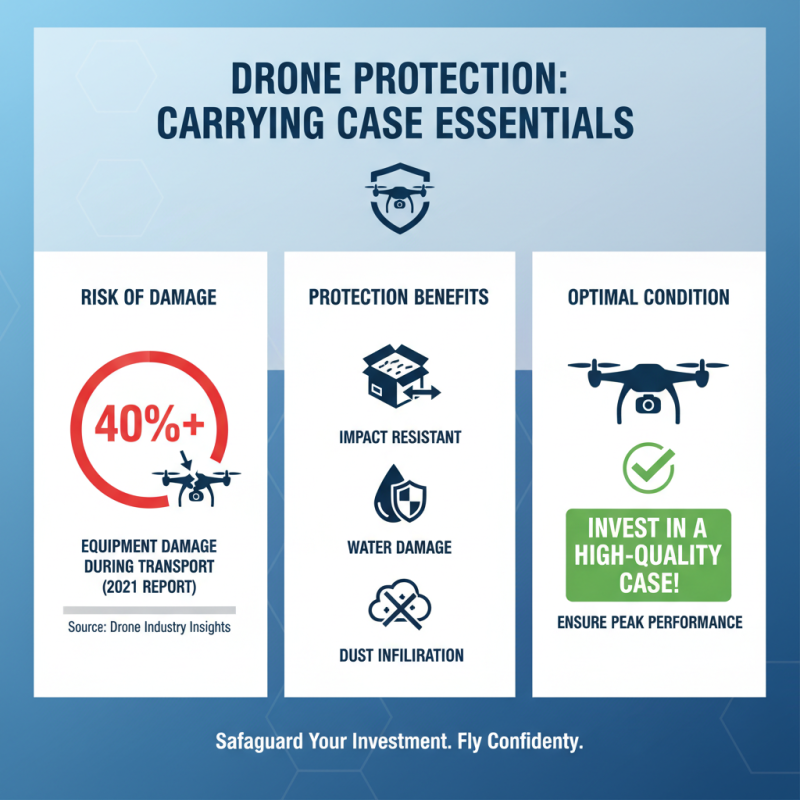
When investing in a drone, protecting your equipment is paramount, and a high-quality carrying case is a crucial component of that protection. According to a 2021 report by Drone Industry Insights, over 40% of drone users experience equipment damage during transportation, often due to inadequate carrying solutions. A durable carrying case minimizes the risk of impact, water damage, and dust infiltration, ensuring that your drone remains in optimal condition for operation.
Additionally, a well-designed case offers practical features that enhance usability. For instance, many high-quality carrying cases are custom-fitted to specific drone models, providing snug and secure compartments for the drone, batteries, and accessories. Research indicates that having designated spaces for each component can decrease the time spent on setup and pack-down by up to 30%. This increased efficiency not only saves time but also protects the longevity of the equipment by preventing parts from shifting and causing potential damage during transit. In a rapidly growing market, investing in a robust drone carrying case is not just advisable—it's essential for those who wish to safeguard their investment and maximize their aerial experience.
Key Features to Look for in a Drone Carrying Case
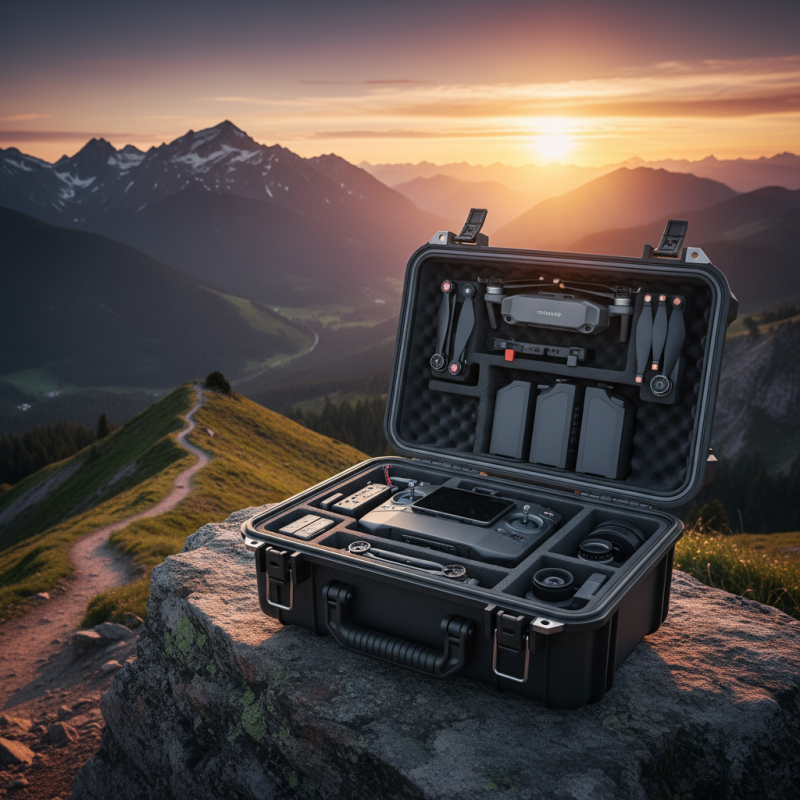
When selecting a drone carrying case, it’s essential to focus on key features that ensure your equipment is well-protected during transport. One of the most critical aspects to consider is the material. Opt for cases made from durable materials, such as hard-shell plastic or rugged fabrics, which can withstand impact, moisture, and dust. Additionally, the case should have thick padding or custom foam inserts that hold your drone and accessories securely, minimizing movement and potential damage during transit.
Another important feature is the case's size and design. A good carrying case should provide ample space for your drone, batteries, remote control, and any other accessories you may have. Look for cases with compartments or pockets to keep smaller items organized and easily accessible. Consider a lightweight, portable design with comfortable handles or padded shoulder straps, allowing for easy carrying on the go.
**Tips:**
- Always check the dimensions of your drone and ensure the case you choose fits snugly without excessive room.
- Consider investing in a waterproof case if you often fly in varied weather conditions.
- If you travel frequently, look for a case that is airline-approved or easy to fit in standard luggage compartments.
Drone Carrying Case Key Features Comparison
Comparing Soft vs. Hard Cases for Drone Protection
When it comes to selecting a carrying case for your drone, the choice between soft and hard cases is a critical decision that can greatly impact the protection of your equipment.
Soft cases are typically made from durable fabric materials and offer a lightweight and flexible option for transport. Their design allows for easy packing, making them ideal for outdoor enthusiasts who may need to carry their gear on hikes or in tight spaces. Soft cases often come with padded partitions to keep various components secure and organized, but they may not provide the same level of impact resistance as their hard counterparts.
On the other hand, hard cases offer superior protection against physical damage.
Constructed from robust materials such as polyethylene or aluminum, these cases are designed to withstand drops and impacts, which is essential for safeguarding delicate equipment during travel. Hard cases often feature customizable foam inserts that ensure a snug fit for your drone and accessories, reducing the risk of movement inside the case. While they tend to be heavier and bulkier, the added protection makes them a preferred choice for those who frequently travel in rough conditions or who ship their drones.
Ultimately, the decision between soft and hard cases will depend on your specific needs and the environments in which you plan to use your drone.
Popular Brands and Models of Drone Carrying Cases
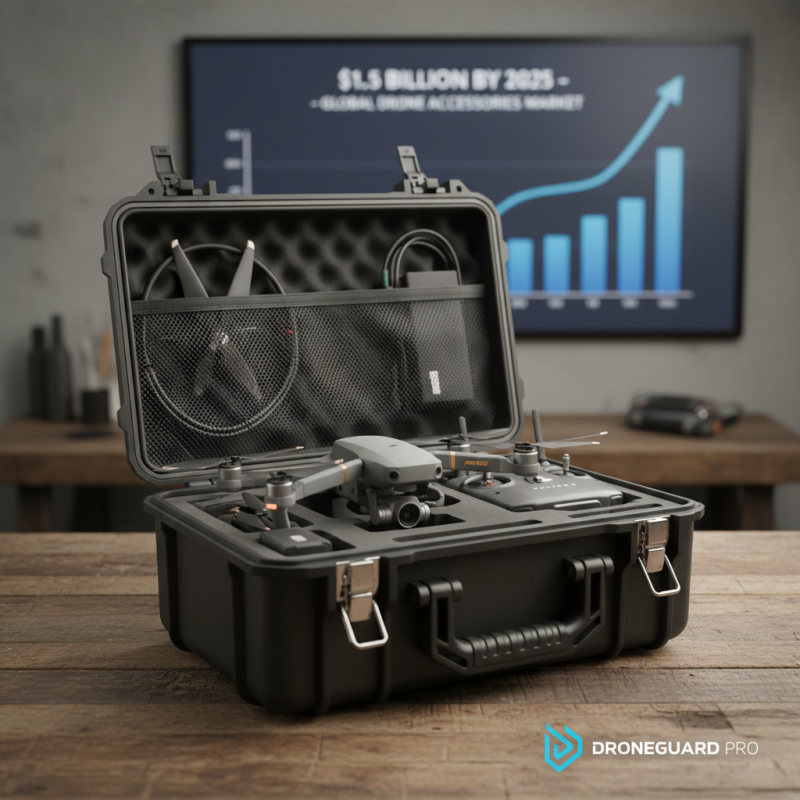
When selecting a drone carrying case, it's essential to consider the popular brands and models that cater to both recreational and professional drone users. According to a recent market analysis, the global drone accessories market, which includes carrying cases, is projected to reach $1.5 billion by 2025, driven by the increasing popularity of commercial drone usage and aerial photography. This growth highlights the importance of investing in quality protective gear.
Several leading brands have distinguished themselves in the drone carrying case segment. Key features buyers often look for include durability, impact resistance, and waterproof capabilities. For instance, cases made with high-density foam and reinforced exteriors provide optimal protection against falls, which is crucial given that up to 30% of drone users report incidents of damage during transport. Additionally, the rise of custom-molded cases can accommodate specific models, enhancing safety and organization. This attention to detail not only protects delicate components during travel but also aids in ensuring that users have all their necessary equipment easily accessible.
In recent user feedback surveys, approximately 65% of drone enthusiasts stated that a well-organized carrying case significantly contributed to their overall flying experience. Therefore, while price and portability are essential considerations, prioritizing protection and functionality can prevent costly repairs and enhance the longevity of drone equipment.
Tips for Maintaining and Organizing Your Drone Equipment in Cases
When it comes to drone ownership, proper maintenance and organization of equipment are key factors in ensuring longevity and optimal performance. Reports indicate that nearly 30% of drone operators have experienced equipment damage due to inadequate protection during transport. Hence, selecting a high-quality carrying case is vital to prevent such mishaps. Cases should offer features like foam padding, water resistance, and secure latches, ensuring that drones and their accessories are safeguarded from external impacts.
Additionally, effectively organizing your drone equipment within the case can minimize the risk of misplacing essential items during transport. It’s advisable to utilize compartments or separate pockets for different components such as batteries, propellers, and cameras. A recent survey indicated that 40% of drone enthusiasts reported time wasted locating disorganized equipment. Thus, creating a systematic layout within the case not only enhances accessibility but also encourages a more efficient workflow during drone operations. Regularly checking and reorganizing your equipment storage can streamline the preparation before flights, ultimately leading to a more enjoyable and successful aerial experience.
What is the Best Drone Carrying Case for Protecting Your Equipment - Tips for Maintaining and Organizing Your Drone Equipment in Cases
| Feature |
Description |
Importance Rating (1-5) |
| Material |
Durable materials like hard plastic or aluminum to resist impact. |
5 |
| Foam Padding |
Custom cut foam inserts for snug fit to prevent movement. |
4 |
| Waterproof |
Water-resistant or waterproof features to protect against rain and spills. |
5 |
| Size/Capacity |
Adequate size to fit drone, batteries, and accessories. |
4 |
| Weight |
Lightweight design for easy transportation. |
3 |
| Organization |
Compartments and pockets for easy access and organization of gear. |
4 |
| Security Lock |
Locking mechanisms to secure the contents. |
3 |