The demand for drones continues to rise. According to a recent report by the Association for Unmanned Vehicle Systems International, the drone industry is projected to reach $43 billion by 2024. As technology evolves, transporting and storing drones securely becomes crucial for enthusiasts and professionals. The right Drone Carrying Case plays a significant role in ensuring safety during transit.
Many users underestimate the importance of a quality case. A poorly designed carrying solution can lead to damage over time. In fact, studies show that up to 30% of drone owners have experienced equipment damage due to inadequate protection. Investing in a reliable Drone Carrying Case can minimize these risks and better preserve your investment.
Selecting the ideal case requires careful consideration. Factors like size, material, and padding are essential. Users often find themselves overwhelmed with options. Reflecting on your needs is vital. Remember, a versatile case can adapt to future drone models, providing long-term value.
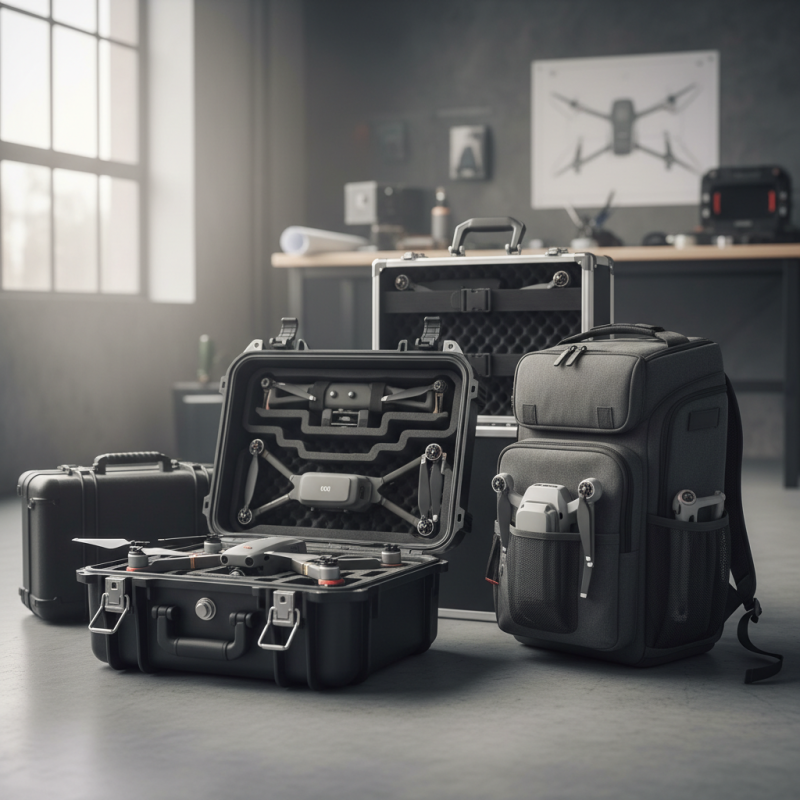
When it comes to protecting your drone, choosing the right carrying case is crucial. There are several types of cases available, each serving a specific purpose. Hard-shell cases offer robust protection against impact. They have foam interiors that cradle the drone securely. This helps prevent damage during transport. Soft cases, on the other hand, are lighter and often more portable. They may not provide the same level of protection but are easier to pack.
Backpack-style cases have become increasingly popular. They offer hands-free transport, allowing users to carry their gear comfortably. These can also have additional compartments for accessories. Another option is the wheeled case, which is ideal for traveling long distances. It allows for easier maneuverability, especially when carrying heavy equipment. However, these cases can be bulky and challenging to fit in small spaces.
While choosing a case, consider your specific needs. A traveler may prioritize mobility. A serious photographer may need maximum protection. Reflect on what features matter most to you. Make sure to test the fit before making a decision. Cases can sometimes be misleading in terms of size. Even the best options can have flaws that may not meet all expectations.
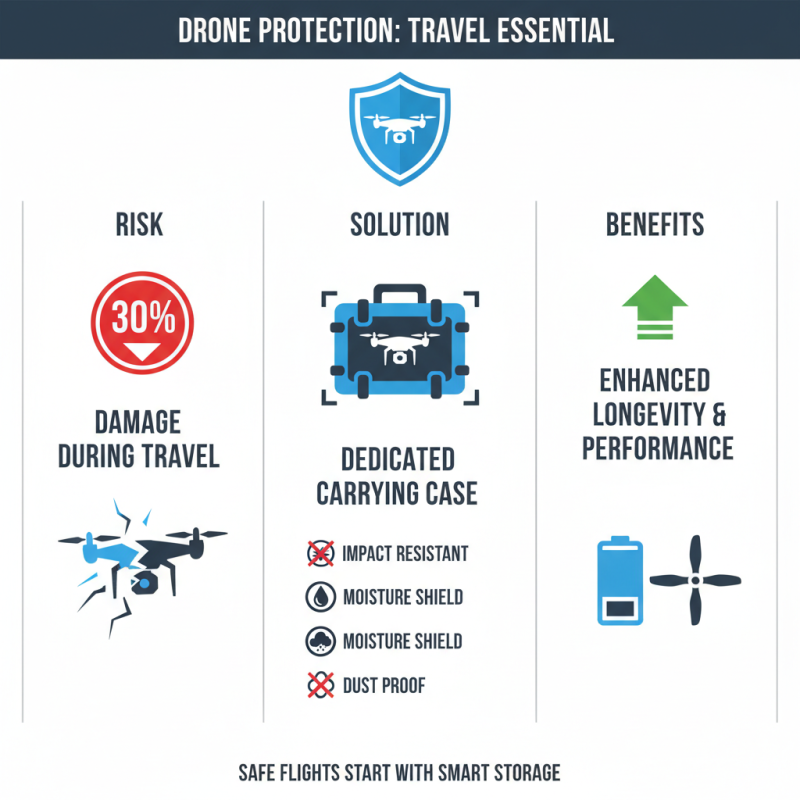
When selecting a drone carrying case, consider materials and construction quality. A sturdy outer shell made from hard plastic or reinforced fabric provides better protection. Look for cases with foam padding inside. This helps absorb shocks during transport. According to a report from the Drone Industry Association, nearly 30% of drone damages occur during travel. Proper cushioning significantly reduces this risk.
Water resistance is another key feature. Many drones can be sensitive to moisture, impacting performance. Most cases now offer waterproof zippers and seals. Ensuring your drone is dry can extend its lifespan. In a survey by UAV Pilot, 45% of users experienced moisture-related issues. Investing in a quality case mitigates this common problem.
Moreover, convenience matters. Cases with adjustable compartments allow customization, fitting varying accessories. Some users find it challenging to fit all their gear into one case. Removable dividers can provide flexibility for different setups. While it may seem straightforward, finding a case that meets all needs can be daunting. Balancing protection and convenience is essential.
Using a dedicated drone carrying case is vital for safe transport and storage. Statistics reveal that nearly 30% of drones sustain damage during travel due to inadequate protection. A well-designed case minimizes this risk. It shields the drone from impacts and environmental factors like moisture and dust. These aspects can seriously affect performance and longevity.
Additionally, a carrying case offers organization. With multiple compartments for accessories, users can save time during setup. Many drone enthusiasts report a 50% increase in efficiency when they can find and pack gear quickly. This efficiency can significantly enhance the flying experience, especially during events or travel.
However, not all cases provide equal protection. Some may lack adequate padding or waterproof features. A study highlighted that 40% of users regretted not choosing a better case after experiencing damage. This emphasizes the importance of thorough research before purchasing a case. Finding the right balance between portability and protection is essential.
When selecting a drone carrying case, size and design are crucial. A well-fitting case protects your drone from damage. A study by the Drone Industry Association reveals that over 75% of drone users report transport-related damages every year. Choosing the right case can reduce this risk significantly.
Consider the dimensions of your drone. Ensure the case accommodates all parts, including propellers and batteries. A tight fit can cause stress on external components. Aim for a case that provides a little extra room. This creates flexibility and easier packing.
Material plays an important role too. Look for durable options like hard-shell cases or weather-resistant fabrics. These features offer protection against physical impact and environmental elements. Straps and compartments enhance organization. Always check for user reviews to gauge effectiveness. A case might look suitable but fail in practical use, leading to expensive repairs.
When transporting drones, proper handling is crucial. Use a well-padded carrying case. It should fit your drone snugly. This prevents movement and potential damage. Consider cases with compartments for accessories. Extra protection helps keep small parts safe.
Tips: Always check battery levels before storage. Remove batteries if you’re not flying for a while. Store drones in a cool, dry place. Avoid direct sunlight and humidity. This helps prolong their lifespan and efficiency.
Packing your drone should be a careful process. Adjust the foam inserts if necessary. Make sure everything has a secure spot. Don’t rush; a quick pack can lead to expensive mistakes. Take a moment to double-check all connections and compartments. This habit can save a lot of trouble later.
| Case Type | Material | Weight (lbs) | Dimensions (inches) | Price Range |
|---|---|---|---|---|
| Hard Case | Polycarbonate | 6.5 | 20 x 14 x 8 | $100 - $150 |
| Backpack Case | Nylon | 3.2 | 18 x 12 x 6 | $60 - $100 |
| Carrier Bag | Canvas | 4.0 | 22 x 15 x 10 | $40 - $80 |
| Foam Case | Foam | 5.5 | 21 x 13 x 9 | $70 - $120 |
| Flight Case | Aluminum | 8.0 | 24 x 16 x 12 | $150 - $250 |