How to Choose the Best Drone Carrying Case for Your Needs?
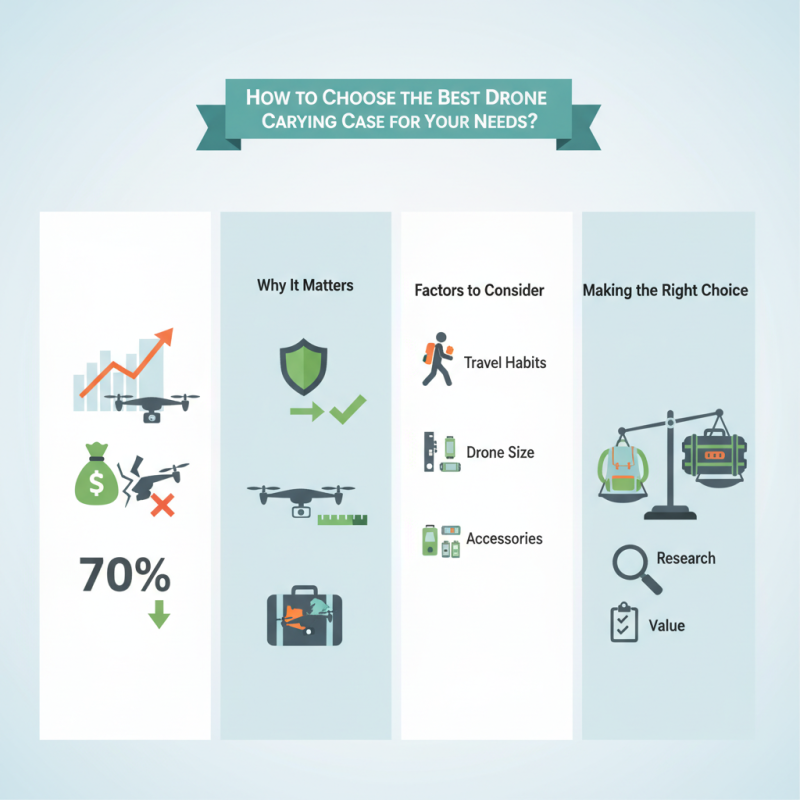
Choosing the right Drone Carrying Case is crucial for both hobbyists and professionals. In 2023, the global drone market is projected to reach $42 billion, highlighting the importance of proper equipment care. A suitable case not only protects your investment but also enhances portability.
Many users underestimate the impact of a quality carrying case. Poor protection can lead to damage during transport, which can be costly. Reports indicate that 70% of drone-related damage occurs while traveling. This fact emphasizes the need for a reliable Drone Carrying Case that offers durability and ease of use.
Different drone models demand varying case features. Some cases prioritize lightweight designs, while others emphasize rugged protection. Selecting the right case involves weighing these factors against your unique needs. Think about your travel habits, drone size, and accessories. The right choice can make a significant difference in your drone experience. Remember that investing time in research is equally valuable as choosing the drone itself.
Understanding the Importance of a Good Drone Carrying Case
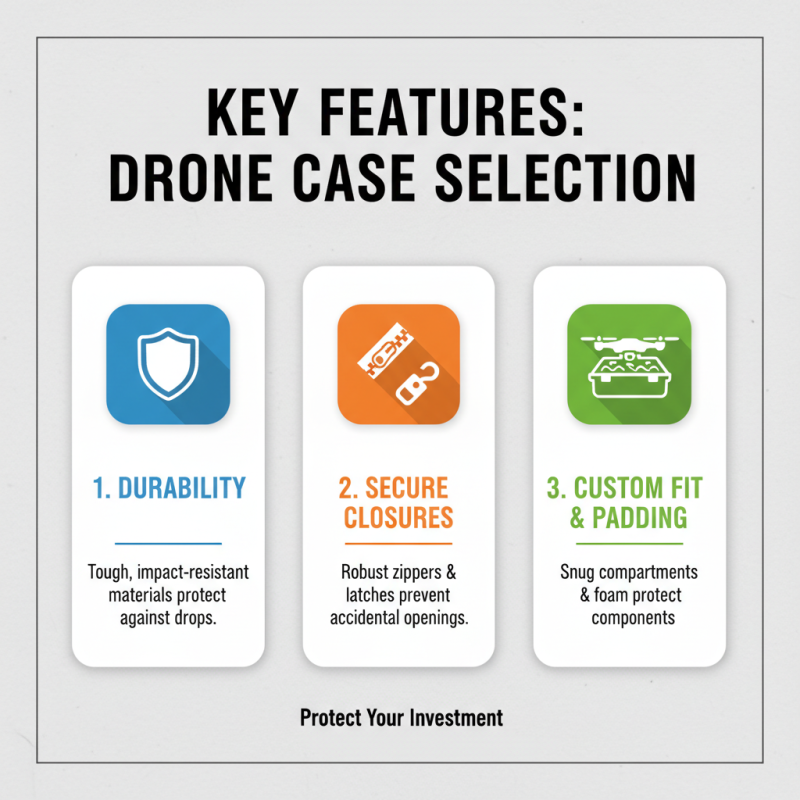
When it comes to protecting your drone, a high-quality carrying case is essential. Drones can be fragile and expensive. A good case absorbs shocks and keeps your equipment safe during transport. Without proper protection, you risk damage from falls or rough handling. Not all cases are created equal. Choosing one that fits your drone perfectly is vital. A well-fitted case prevents movement inside, reducing the chance of scratches and mechanical failures.
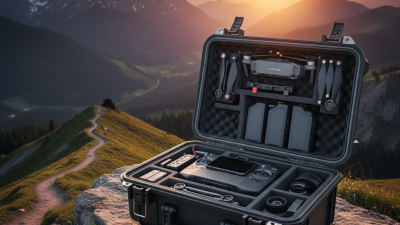
Additionally, consider the material of the case. Hard cases offer the best protection, while soft cases are lighter and more portable. Think about your specific needs. For instance, if you travel often, lightweight options are more practical. If you're hiking or off-roading, a rugged design is necessary. Don’t overlook storage for accessories either. A case should accommodate batteries, chargers, and spare parts. Sometimes, people invest in cases that are either too bulky or too small, sacrificing convenience for space.
Reflecting on your personal usage is key. What environments do you typically fly in? How often do you transport your drone? Your answers will help determine the best option for you. Evaluating these details can lead to a choice that not only protects your investment but also enhances your overall flying experience.
Comparing Hard Cases vs. Soft Cases for Drones
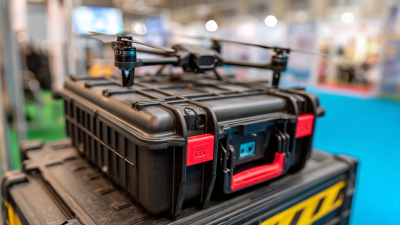
When selecting a drone carrying case, you will often choose between hard and soft cases. Hard cases offer robust protection. They can withstand rough handling and impacts during travel. If you often venture into rugged terrain, a hard case might be the right choice. However, they can be heavy and cumbersome to carry. You may find yourself struggling to transport a bulky case through tight spaces.
On the other hand, soft cases are lighter and more portable. They provide a good balance between protection and ease of use. Many soft cases feature padded compartments for secure storage. They can be more flexible, fitting into various luggage and vehicle spaces. However, they might not offer the same level of protection against severe drops or water exposure. If your drone is pricey, this could be a critical factor to weigh.
Consider your personal needs when choosing. Frequent travel? Perhaps favor soft cases. Seeking maximum protection? A hard case could serve you better. Each type has its merits and drawbacks. Reflect on your experiences and preferences before making a decision.
Assessing Size and Compatibility with Your Drone Model
When choosing a drone carrying case, size and compatibility are crucial. Many drones vary in dimensions, weight, and design. A suitable carrying case must match these specifications, ensuring safe transport. Reports indicate that 70% of drone-related damages occur during transit. Therefore, the right fit can make a significant difference.
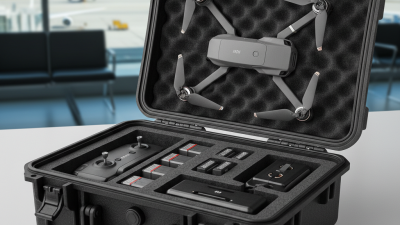
The case should accommodate not just the drone but also accessories. Battery compartments, propeller slots, and controller pockets enhance user experience. According to a recent survey, users find cases with customizable interiors 50% more practical. However, many overlook this aspect, leading to poor protection and disorganization.
Storing a drone improperly can result in wear and tear. Think about materials as well. High-quality foam can absorb shocks. Lightweight options are favorable for outdoor experiences. Some users report dissatisfaction with heavy cases, which hinder their mobility. Finding a balance between protection and portability is essential for optimal use.
Budgeting for a Quality Drone Carrying Case: What to Expect
When budgeting for a quality drone carrying case, consider what you need most. Prices vary significantly based on materials, durability, and design. A basic case may start at a lower price, but it might not offer the protection you seek. Investing a bit more can save you from costly repairs or replacements later.
Look for features that suit your usage. Some cases offer hard shells for maximum protection, while others are lightweight and portable. Both have their advantages and disadvantages. Think about your travel habits. Will you take your drone on hikes or to a studio? Size and weight matter.
**Tip:** Always check customer reviews before purchasing. Feedback can help you avoid disappointing choices. Consider buying cases that allow for some customization. Adding compartments can be a great way to organize accessories.
Be wary of overly cheap options. They may look appealing but could compromise your drone's safety. Remember, a good case is an investment that helps protect your gear. A little extra effort on budgeting now may make your drone experience more enjoyable later.
Budgeting for a Quality Drone Carrying Case
This bar chart illustrates the estimated price range of different types of drone carrying cases, helping you budget accordingly. Higher quality and specialized cases usually come at a premium.