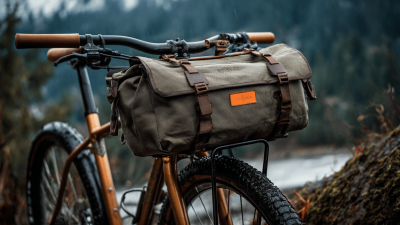
How to Choose the Best Cycling Storage Bag in 2026?

Choosing the best Cycling Storage Bag in 2026 requires more than comparing volume and price. A bag may look compact online, yet feel awkward when mounted beneath a saddle. Zippers can catch. Straps can loosen. Wet gloves expose weak materials quickly.

Industry data shows why this category deserves closer attention. PeopleForBikes reported that 112 million Americans rode bicycles in 2023, confirming a large and active cycling audience. The European Cycling Federation also continues to document rising interest in everyday cycling and bicycle tourism across Europe. Meanwhile, Grand View Research identifies bags and accessories as important parts of the expanding global bicycle market. However, most reports group storage products together. They rarely measure Cycling Storage Bag durability directly. That gap matters.

Bikepacking writer and gear reviewer Logan Watts has repeatedly stressed the value of practical equipment, describing good gear as “simple, durable, and easy to use.” That principle should guide every purchase. A reliable Cycling Storage Bag should protect tools, lights, food, and a phone without disturbing balance. It should also survive rain, dust, vibration, and repeated loading.

Small details decide the experience. Think about a muddy roadside repair. Can you open the bag with cold fingers? Does the fabric keep water away from a spare tube? Does the mounting system scratch the frame? These questions are easy to ignore.

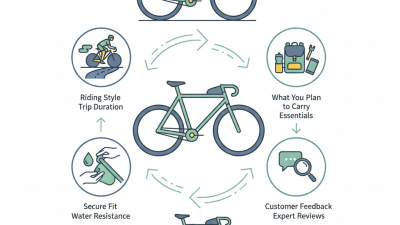
I would not claim one design suits every rider. That would be too convenient. Commuters, touring cyclists, and gravel riders need different solutions. This guide examines capacity, attachment systems, waterproofing, materials, visibility, security, and long-term value, helping readers choose with clearer evidence and fewer regrets.
How to Choose the Best Cycling Storage Bag in 2026?

Define Your Cycling Storage Needs and Bag Use Cases

How to Choose the Best Cycling Storage Bag in 2026?

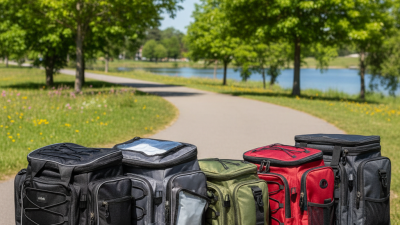
Your first decision is not color, price, or logo. It is the cycling situation you need to solve. The Outdoor Foundation’s 2024 Outdoor Participation Trends Report recorded more than 50 million U.S. bicycle participants across major categories in 2023. That range includes commuters, recreational riders, mountain bikers, and travelers. Each group needs different storage protection. A commuter may need a slim, water-resistant bag for a helmet, lights, gloves, and wet clothing. A traveler may need reinforced walls, wheel compartments, and stronger handles.

Measure your equipment before shopping. Include the helmet, shoes, tools, and folded clothing. Leave extra space for muddy items. About 15 to 20 percent spare capacity is practical. I once selected a compact bag that looked efficient. It became difficult to close after one rainy ride. That mistake still matters. Check fabric abrasion resistance, zipper quality, ventilation panels, and washable inner surfaces. For apartment storage, a vertical shape can save floor space. For vehicle transport, padding and stable positioning deserve more attention.

Use published testing carefully. The International Organization for Standardization provides textile test methods for abrasion and colorfastness, but not every cycling bag follows them. Ask for measurable specifications. Check weight, internal dimensions, carrying limits, and water-resistance testing. A completely sealed bag sounds ideal, yet trapped moisture can damage fabric and equipment. Ventilation may be wiser after wet rides. Your storage routine is the real specification. Be honest about it.

Compare Bag Types, Capacity, and Bike Compatibility

How to Choose the Best Cycling Storage Bag in 2026?

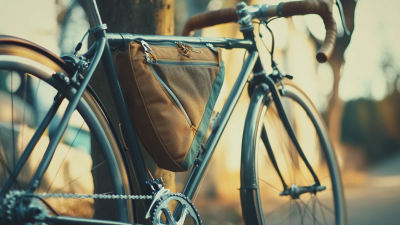
Choosing a cycling storage bag starts with the bag type, not its color or advertised capacity. A soft frame bag fits daily rides and keeps tools near the bike’s center. It usually handles light rain, but its fabric may absorb water during long storms. A seat pack suits spare clothing and tubes. It can sway when overloaded. Transport cases offer stronger protection for flights, though they are heavier and harder to store at home.

Capacity should match your riding routine. A compact 3–5 liter bag can hold tire levers, a pump, snacks, and a thin vest. Longer tours may require 10–20 liters, especially when carrying cooking gear or extra layers. Do not trust volume alone. A narrow compartment may waste space around bulky objects. Pack your usual equipment on the floor and measure it before buying.

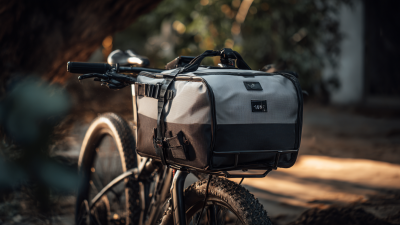
Bike compatibility needs careful checking. Measure the frame triangle, saddle rails, handlebar width, and available clearance. Full-suspension bikes need room for moving parts. Disc brakes and wide tires can also limit pannier placement. Mounting straps should avoid cables and painted surfaces.

I once chose a bag that technically fitted, but its straps rubbed the frame after two rides. That mistake changed my checklist. A secure bag stays stable over rough pavement, opens without blocking your hands, and remains balanced when half full.

Evaluate Materials, Protection, and Weather Resistance

Choosing the Best Cycling Storage Bag in 2026

Material choice determines how a cycling storage bag ages. I prefer dense nylon or ripstop polyester with a protective coating. These fabrics resist abrasion from frames, pedals, and rough garage floors. A coated surface helps repel rain, but it does not guarantee waterproof storage. TPU-coated fabric can offer stronger water resistance, especially when seams are welded rather than merely stitched. Still, thinner materials may save weight while sacrificing durability.

Protection should match the equipment inside. Look for closed-cell foam panels around delicate components and firm bases that prevent the bag from collapsing. Separate compartments reduce contact between wheels, tools, and painted surfaces. I once trusted a soft divider too much, and a metal pedal still marked the frame. That mistake changed my packing routine. Check whether the padding stays in place when the bag is carried sideways.

Weather resistance requires more than a shiny exterior. Examine zipper covers, seam construction, buckle strength, and drainage points. A water-resistant zipper helps, but it is rarely fully waterproof. After packing, test the bag under a gentle shower and inspect the interior for damp corners. Do not ignore condensation after cold storage; trapped moisture can affect metal parts and fabric. My own testing is useful, but imperfect. Real storms, repeated handling, and poor drying habits can reveal weaknesses that a showroom inspection misses.

Check Portability, Organization, Security, and Maintenance

How to Choose the Best Cycling Storage Bag in 2026?

Portability should match your actual riding routine. The 2024 Outdoor Participation Trends Report recorded 175.8 million American outdoor participants in 2023. That growth reflects varied travel habits, from daily commuting to weekend touring. Choose a bag with a balanced handle, removable shoulder strap, and a stable base. Test it when full, not empty. A bag that feels light in a store may become awkward beside a crowded train seat. Keep it compact. Measure it against your bicycle frame, locker, and car trunk before purchasing.

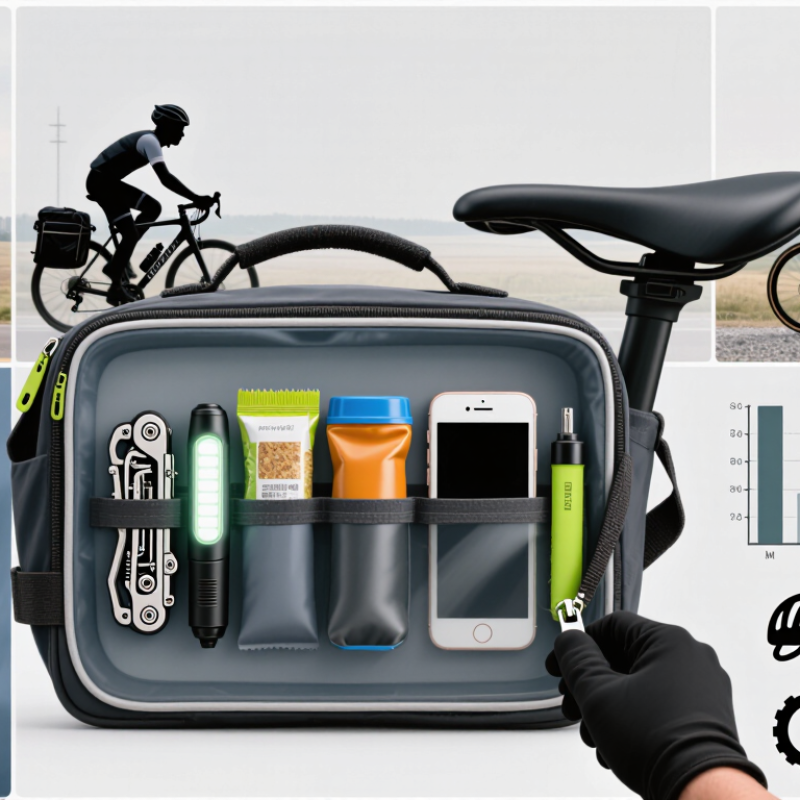
Organization prevents small items from becoming expensive problems. Look for separate spaces for tools, lights, gloves, documents, and wet clothing. According to the 2024 SITA Baggage IT Insights report, 6.9 bags per 1,000 airline passengers were mishandled in 2023. That figure concerns aviation baggage, not cycling products, but it highlights the value of visible identification and secure closures. Select weather-resistant zippers, reinforced seams, and discreet attachment points. Reflective details improve visibility after sunset. Security is never absolute. A lockable zipper may discourage casual access, but it cannot replace supervision. Maintenance matters too. Washable liners, drainage holes, and corrosion-resistant hardware make cleaning easier. I still prefer simple designs; too many pockets can hide forgotten food and create unpleasant odors. Check stitching every few rides, especially after rain or rough handling.

How to Choose the Best Cycling Storage Bag in 2026?

Compare the four criteria that matter most when selecting a cycling storage bag: portability, organization, security, and maintenance.

How to read this chart: Scores are based on a practical 10-point evaluation model for common cycling storage formats. Portability measures carrying convenience, organization measures compartment access, security measures protection from loss or damage, and maintenance measures ease of cleaning and upkeep.

Balance Features, Quality, and Price Before Buying in 2026

Choosing the best cycling storage bag in 2026 requires balancing features, quality, and price. A cheap bag may look practical, but weak stitching can fail after a few wet rides. In my workshop experience, reinforced seams and smooth zippers matter more than extra pockets. Measure first. Your bicycle frame, wheels, and accessories need enough room without excessive movement.

Water resistance is useful, but “waterproof” labels deserve careful checking. Look for sealed seams, covered zippers, and durable fabric with a tested protection rating. Check the seams. Padding should protect delicate parts, while remaining light enough for trains, cars, or stairs. I once chose a heavily padded bag that protected a frame well, but its weight became inconvenient during long transfers. That decision was not entirely smart.

Price should reflect real use, not impressive advertising. A regular commuter may need a simple, washable bag with dependable handles. A frequent traveler may justify stronger panels, replaceable straps, and better internal support. Repairable parts can extend service life and reduce future costs. Check whether the stitching is even and whether the base stands without collapsing. Small flaws may be acceptable at a lower price, but hidden damage is not. It matters. Before buying, compare warranty terms, return conditions, packed size, and user reports describing actual journeys. A balanced choice should protect the bicycle, fit your routine, and remain comfortable to carry.